Production rises 4.36% despite shrinking cultivated area; fruits, vegetables, flowers and plantation crops drive growth, signalling a shift towards diversification and productivity-led agriculture.
BK JHA
India’s horticulture sector is poised to achieve a historic milestone, with production projected to touch a record 386.9 million tonnes in 2025-26, reinforcing its growing importance in agricultural diversification, food and nutritional security and farmers’ income generation. What makes this achievement particularly significant is that the projected growth comes despite a reduction in the total area under horticultural cultivation, pointing towards improving productivity and a gradual shift towards high-value commercial crops. The latest estimates underline how horticulture is emerging as a critical growth engine for Indian agriculture, creating opportunities across fruit and vegetable cultivation, floriculture, spices and plantation crops.
Union Minister for Agriculture and Farmers’ Welfare and Rural Development, Shivraj Singh Chouhan, released the Third Advance Estimates of area and production of horticultural crops for 2025-26 on November 17. According to the estimates, India’s total horticulture production is expected to reach 3,869.15 lakh tonnes, registering an increase of 161.77 lakh tonnes, or 4.36 per cent, over the 3,707.38 lakh tonnes recorded in 2024-25.
Chouhan said the record production reflected the hard work of farmers and the impact of government policies under the leadership of Prime Minister Narendra Modi. He noted that higher horticultural output would strengthen the country’s nutritional security while contributing to improved incomes for farmers. He also highlighted the growing diversification of Indian agriculture, with cultivators increasingly moving beyond traditional crops towards fruits, vegetables, flowers, spices, plantation crops, and aromatic and medicinal plants.
One of the most encouraging findings of the estimates is that horticulture production is increasing even as the area under cultivation contracts. The total area under horticultural crops is estimated at 297.21 lakh hectares in 2025-26, compared with 301.36 lakh hectares in the previous year. This indicates that productivity gains and changing cropping patterns are playing an increasingly important role in expanding agricultural output.
Fruits and vegetables remain major growth drivers
Fruit production is projected to increase by 4.60 per cent, from 1,176.49 lakh tonnes in 2024-25 to 1,230.66 lakh tonnes in 2025-26. Higher production of banana, mango, papaya, apple, pomegranate and jackfruit is expected to drive this growth. The increase reflects the continued importance of fruit cultivation in India’s horticultural economy, with rising consumer demand and expanding commercial opportunities supporting the sector.
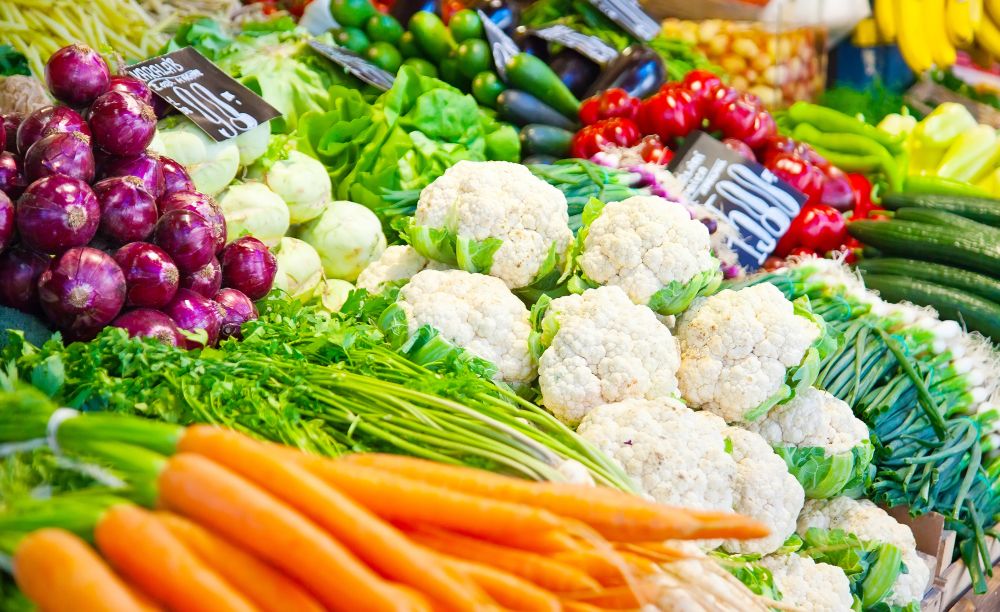
Vegetables, which constitute the largest component of horticultural production, are expected to register growth of 4.35 per cent. Output is projected to increase from 2,177.97 lakh tonnes to 2,272.68 lakh tonnes, while the area under vegetable cultivation is estimated to expand from 117.91 lakh hectares to 119.31 lakh hectares.
Potato production is expected to record particularly strong growth of 11.95 per cent, rising from 585.71 lakh tonnes to 655.70 lakh tonnes. Tomato production is projected to increase from 205.99 lakh tonnes to 214.11 lakh tonnes, while onion production is estimated at 288.96 lakh tonnes. Higher output of brinjal, bottle gourd, cucumber, cabbage, beans and peas is also contributing to the overall increase.
Floriculture and plantation crops gain momentum
Floriculture is emerging as another promising segment, with flower production estimated to increase by 14.45 per cent, from 42.65 lakh tonnes in 2024-25 to 48.82 lakh tonnes in 2025-26. The area under flower cultivation has also expanded to 4.10 lakh hectares, reflecting growing commercial interest in the segment.
Plantation crops, including arecanut, coconut, cashew, betel leaves and cocoa, are also expected to register healthy growth. Their combined production is projected to increase by 7.56 per cent to 182.64 lakh tonnes. Production of aromatic and medicinal plants is estimated to rise from 9.01 lakh tonnes to 9.28 lakh tonnes, reflecting opportunities in emerging agricultural and wellness-related markets.
Spices strengthen India’s agricultural prospects
India’s spices sector continues to provide significant opportunities for domestic consumption and exports. According to data from the Directorate of Arecanut and Spices Development, improved production of turmeric, garlic, curry leaves and cardamom is expected to support the sector’s performance. The total area under spices is estimated at 47.56 lakh hectares in 2025-26, with production projected at 123.54 lakh tonnes.
The latest estimates, prepared by the Department of Agriculture and Farmers Welfare using information received from States, Union Territories and other government agencies, reflect the expanding contribution of horticulture to India’s agricultural economy.
However, higher production must be accompanied by stronger post-harvest infrastructure, efficient cold chains, processing facilities, organised marketing and better price realisation. Reducing wastage and connecting farmers with domestic and international markets will be equally important in translating production gains into higher incomes.
The projected record output marks an important milestone, but the larger opportunity lies in building an integrated horticulture value chain. With diversification, technology adoption and market-oriented cultivation gaining momentum, horticulture can play a decisive role in making Indian agriculture more productive, competitive and remunerative.