BK Jha
In a strong message to states and market players, the Government has issued strict directions to prevent hoarding and black marketing of fertilizers and to ensure timely and fair availability to farmers across the country. The warning came during a high-level review meeting on fertiliser availability, farmer ID implementation, and agricultural procurement systems.
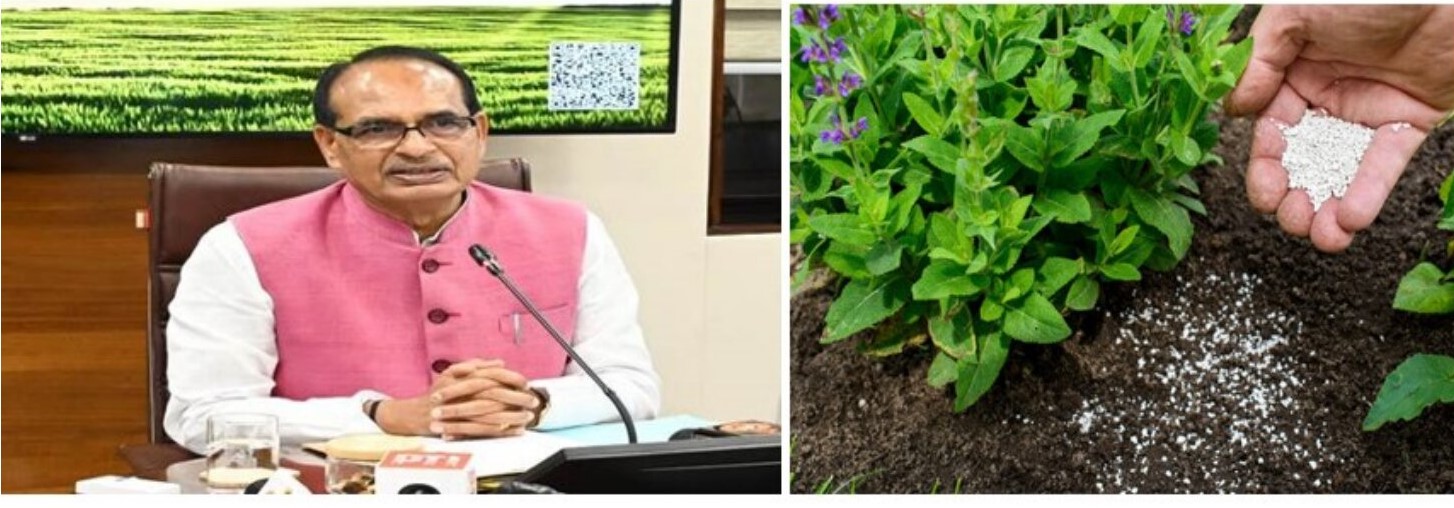
Union Minister for Agriculture and Farmers’ Welfare, and Rural Development, Shri Shivraj Singh Chouhan held a virtual meeting today with the agriculture ministers of the states to review the progress of farmer ID, fertiliser availability, and various agricultural schemes. During the meeting, the Minister reviewed supply position, distribution mechanisms, and implementation of key agricultural initiatives across states.
The government has made it clear that fertiliser supply must remain smooth and uninterrupted, especially during critical sowing seasons, and any attempt to manipulate supply or create artificial shortages will be dealt with strictly. The Centre has directed state governments to maintain close monitoring of fertiliser stocks, distribution channels, and retail networks to prevent hoarding, black marketing, and illegal diversion.
During the meeting, the Agriculture Minister emphasized that fertilisers should be distributed through a technology-based equitable distribution system so that farmers receive fertilisers according to their actual requirements. The government is also focusing on promoting balanced fertiliser use and encouraging organic and natural farming practices to reduce excessive dependence on chemical fertilisers and improve soil health.
The government has also asked states to maintain special vigilance in border areas to prevent illegal movement and diversion of fertilisers. Such illegal movement often leads to shortages in certain regions and price distortions, which ultimately affect farmers and crop production.
Apart from fertiliser availability, the meeting also reviewed the progress of Farmer ID implementation across the country. So far, more than 9.25 crore farmer IDs have been created across 19 states. The government has directed states to launch joint campaigns involving agriculture and revenue departments to achieve 100 percent farmer registration within the next six months. The Farmer ID system is being developed to connect farmers with their land records, crops, livestock, and fisheries, and is expected to streamline delivery of government schemes and benefits.
The government also reviewed procurement of pulses and oilseeds at Minimum Support Price (MSP) under the PM-AASHA scheme. Several states have been approved for procurement of crops such as chana, masur, moong, urad, rapeseed, mustard, groundnut, and sunflower. The government has directed that procurement should be limited strictly to Fair Average Quality (FAQ) produce and payments must be made directly into farmers’ bank accounts through Aadhaar-enabled Direct Benefit Transfer.
To improve farmer outreach and technology adoption, the government will also organise Regional Agriculture Conferences starting from Jaipur on April 7, where the country will be divided into agro-climatic zones for focused discussions on region-specific agricultural strategies.
In addition, the Viksit Krishi Sankalp Abhiyan will be conducted again this year, during which agricultural scientists will directly interact with farmers across thousands of villages to promote new technologies, improved seed varieties, soil health management, and balanced fertiliser use.
The government has reiterated that ensuring fair prices for farmers, transparent procurement systems, and efficient fertiliser distribution mechanisms remain the top priorities for strengthening India’s agricultural sector and improving farmer incomes.